Sonora is a diverse land of arid and dry climate covering the majority of the state, to the east is Sierra Madre Occidental reaches elevations over 3,000 meters (10,000 feet). In the North is the Sonoran desert containing the sand dunes of the Gran Desierto de Altar in the northwest. To the south the land transforms into subtropical dry forest and to the west the sea of cortes. For thousands of years this has been home to various diverse indigenous cultures living in many different societies from hunter gatherers to agriculturalists. Contact with the Spanish came in the 1530’s, In 1533 the Spanish forces retreated after a battle with the fierce Yaqui culture, yet this will be one of many stories to tell about the indigenous people. By the 1600’s Missionization came to Sonora, and silver was founded and the city of Alamos was established. In 1700 the city of Hermosillo was founded where it was first known as Pitic. Later the town would be renamed to Hermosillo after the Mexican independence leader José María González de Hermosillo. In the 19th century Sonora would be transformed with the industrial revolution, but transforming Mexico came at the expense of the people of Mexico as President Porfilo Diaz’s harsh administration led to revolution that 1st started in Cananea, Sonora. When Revoltion broke out in 1910 Diaz went into exile. After the Mexican revolution Sonora produced four Mexican Presidents Adolfo de la Huerta, Alvaro Obregon, Plutarco Elias Calles and Abelardo L. Rodriguez. Sonora culture is also felt in Mexican cinema as various iconic actors such as Maria Felix, Luis Aguilar and Siliva Pinal were born in Sonora. Sonora is also birthplace of El Toro Fernando Valenuela who doinated Major League Baseball ib the 1980's creating Fernandomania. Sonora has now become a state of great potential with various rich resources and home to beautiful beaches, delicious cuisine wonderful people.
1878-1882
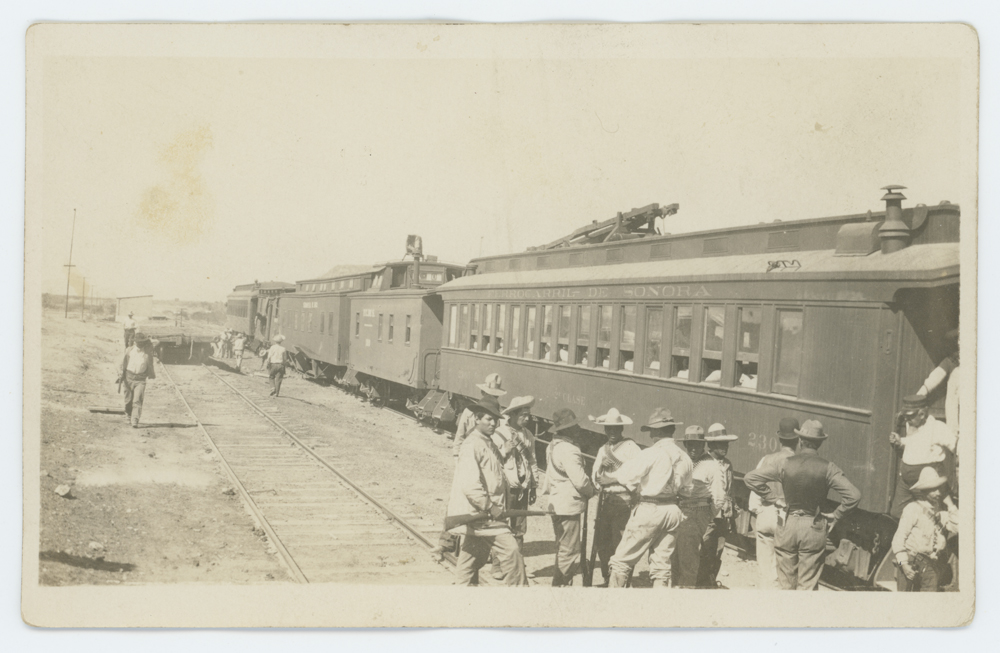
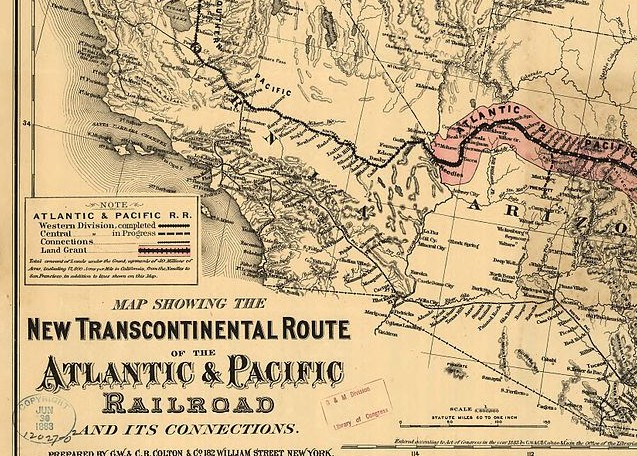
The Sonora Railway builds the 1st railroad line in Sonora from Nogales to Guaymas
1898
The Santa Fe railway swaps the Sonora Railway line for the Southern Pacific California Mojave line , The Sonora Railway is leased by the Southern Pacific Railroad
1899
The Phelps Dodge Company incorporates the Ferrocarril de Narcozari a line from Agua Prieta to Narcozari
1902
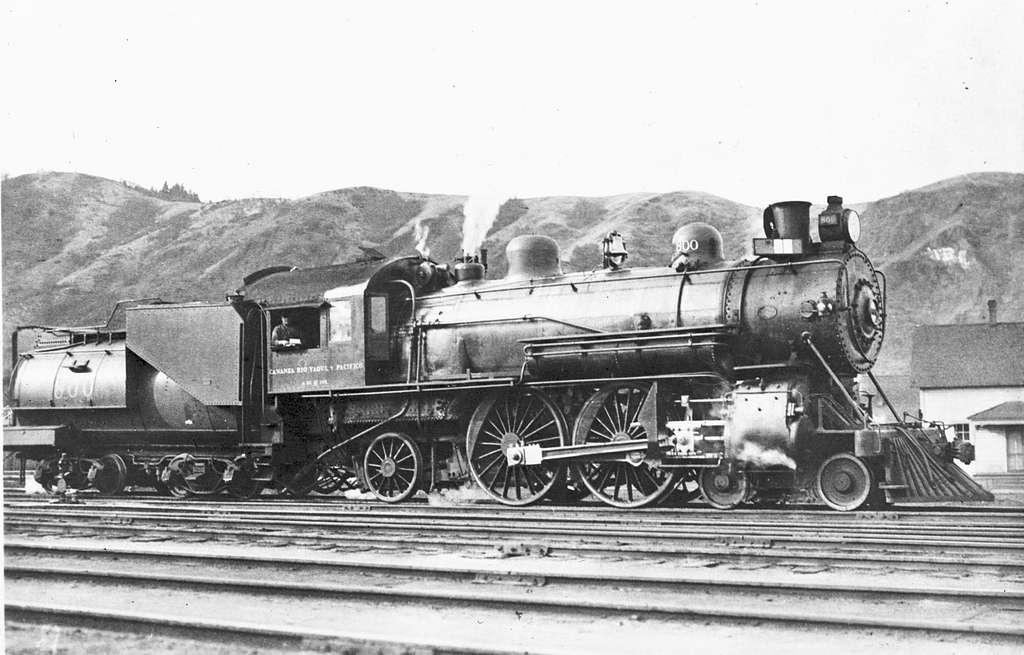
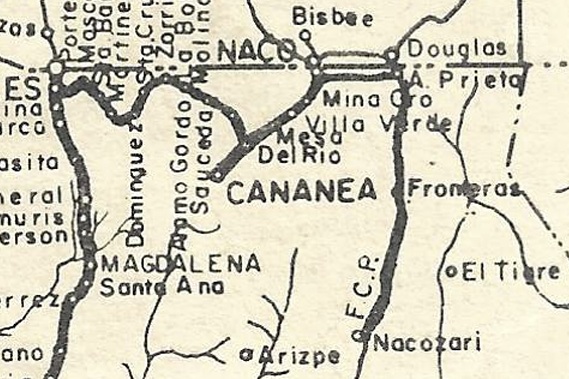
The Cananea Consolidated Copper Company Cananea, incorporates the Rio Yaqui and Pacific Railroad. Southern Pacific soon takes over and builds a line from Naco to Cananea.
1907
Brakeman Jesus Garcia saves the town of Narcozari as a train full of TNT for mining catches fire. Garcia was quick to put his train in reserve full throttle downhill outside of town where a huge explosion occurred killing Jesus Garcia, saving the town of Narcozari.
1909
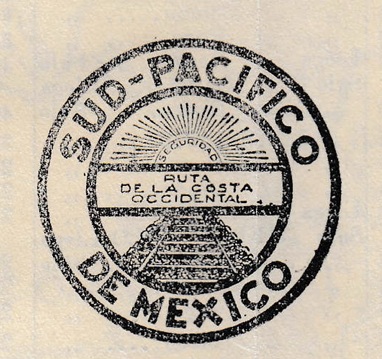
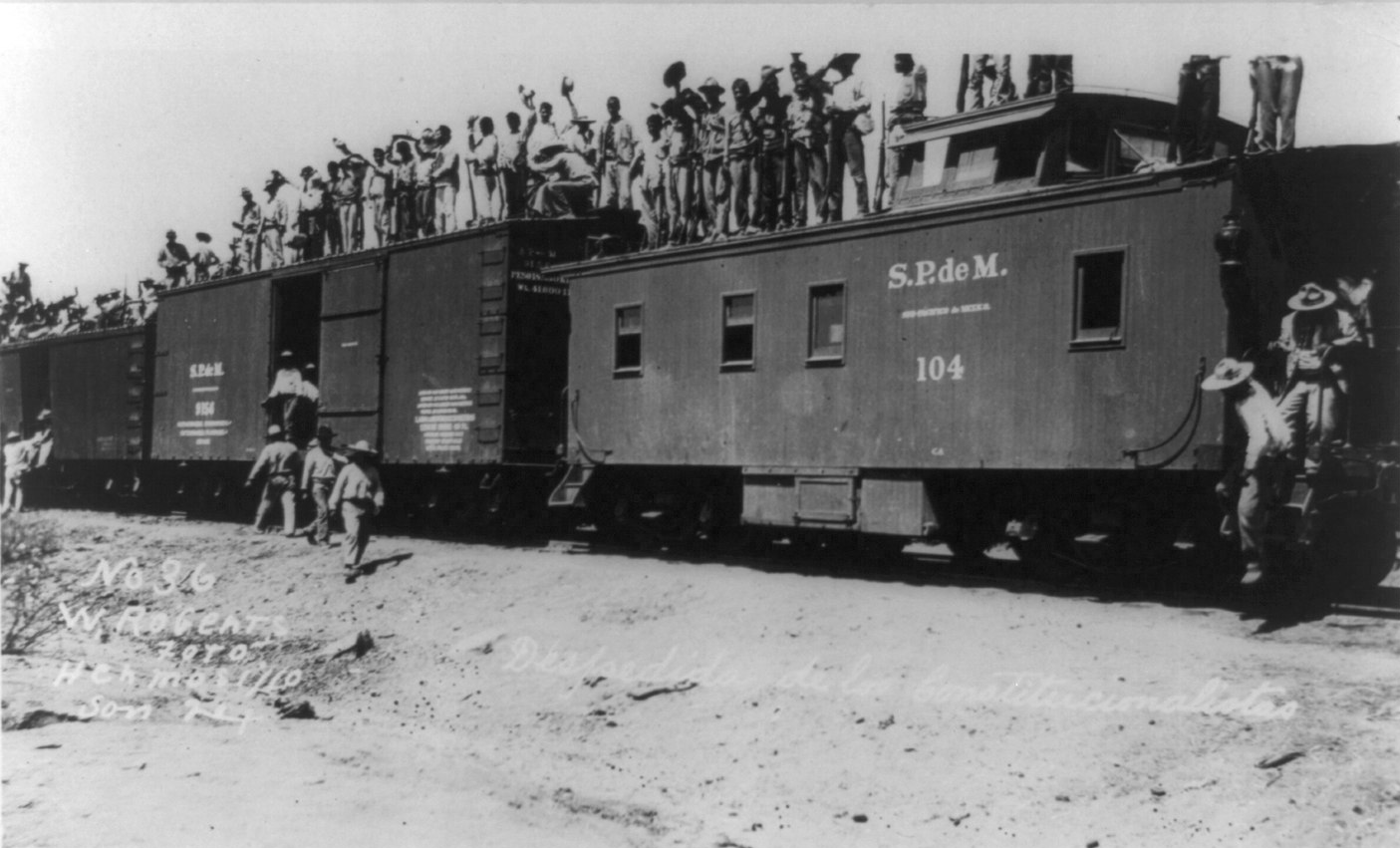
Southern Pacific creates the Sud Pacifico de Mexico (Southern Pacific of Mexico/SPdeM)
1910-1920
The Mexican Revolution erupts in Mexico, and delays the SPdeM progress of reaching Guadalajara
1924
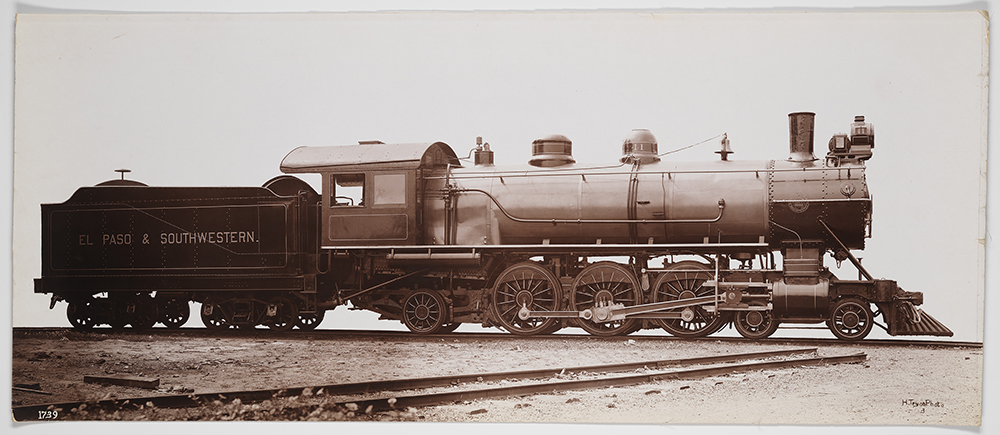
The Southern Pacific buys the El Paso & Southwestern Railroad which also included the Narcozari railroad.
1927
The SPdeM reaches Guadalajara
1937-1947
The Ferrocarril Sonora-Baja California (SBC) is created by the Mexican Government to connecting Mexicali, Baja California to Sonora, worked is delayed due to World War II, the SBC connects the SPdeM line at Benjamin Hill
1951
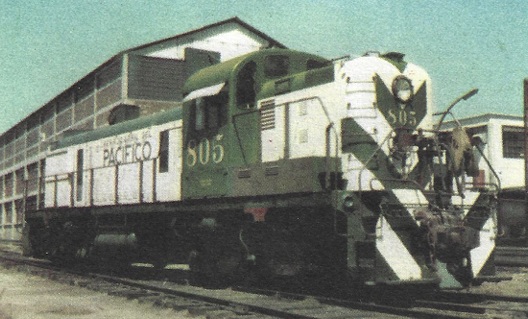
The Southern Pacific sells the SPdeM to the Mexican Government establishing the Ferrocarril Del Pacifico (FCP)
1965-1967
Southern Pacific sells the Ferrocarril Narcozari to the Mexican Government becoming part of the FCP system, a Line is built from Naco to reach Agua Prieta
1987
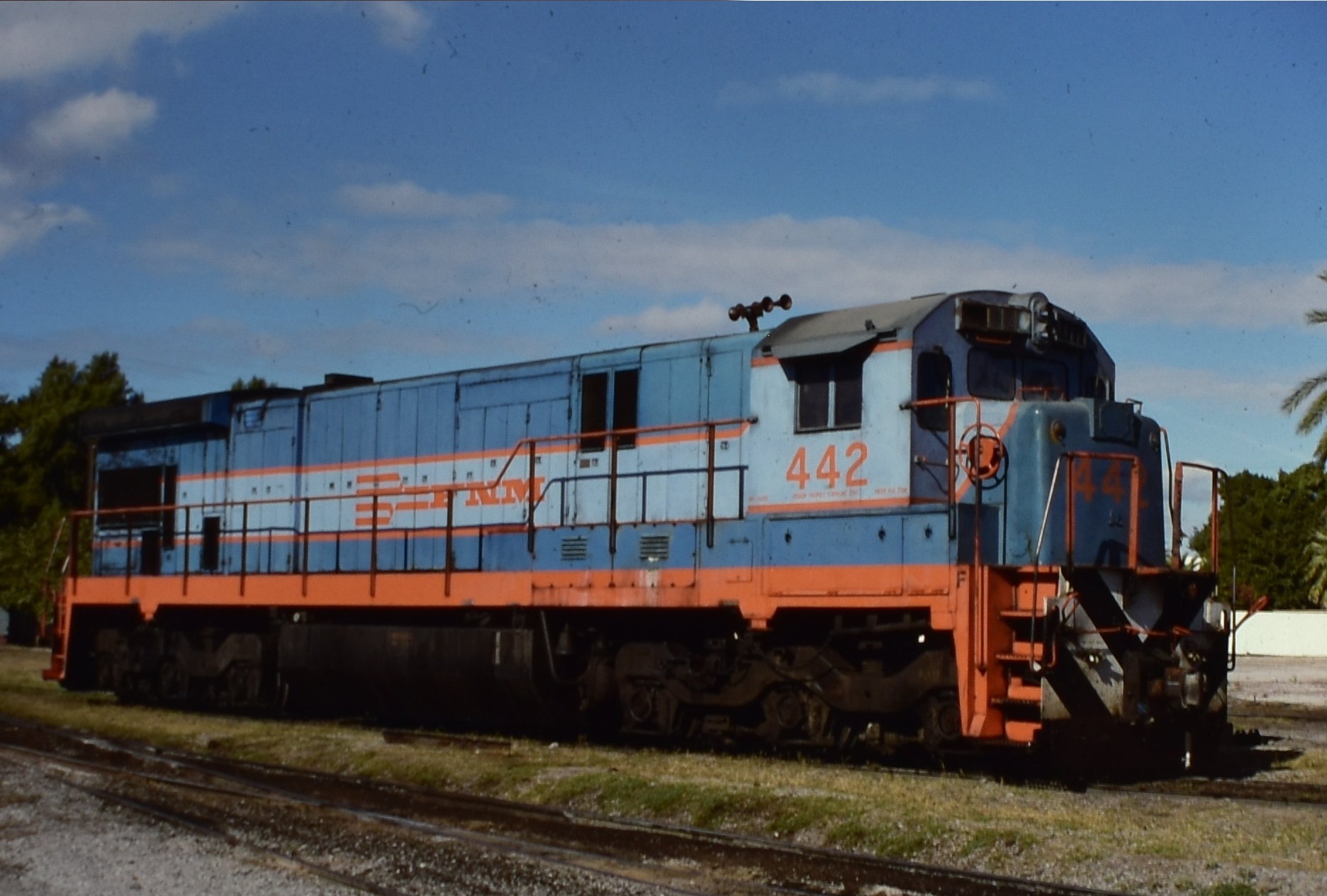
All the Railroads of Mexico merger into the FNM system. SBC and FCP become part of the Pacifico region
1994-1998
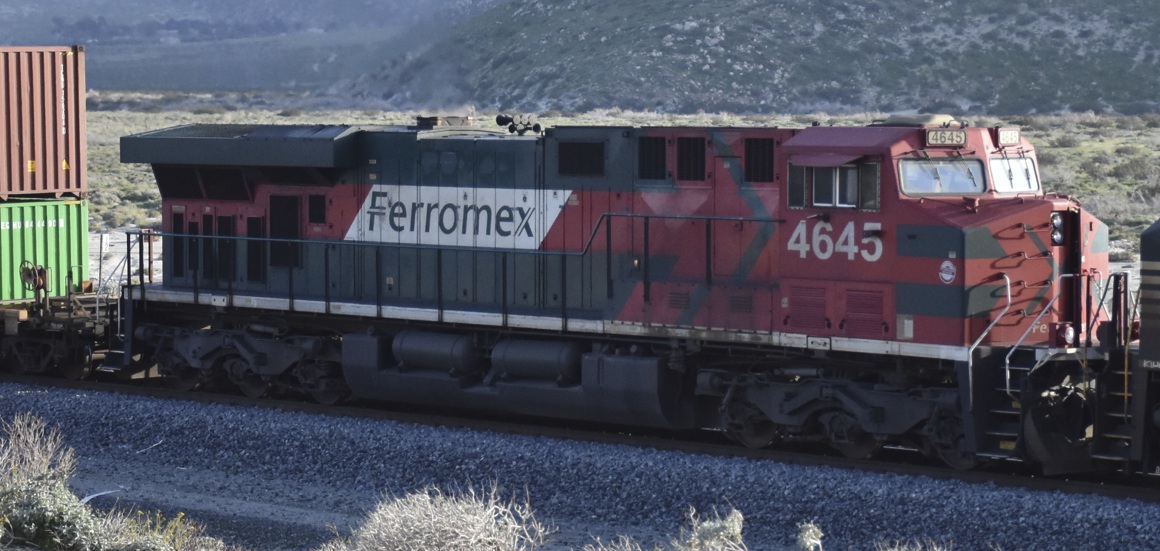
The railroads of Mexico become Privatizatized.The FNM system is split up, the new railroad Ferromex takes control of the FCP and SBC lines.